
Introduction
Retail security systems and crime prevention strategies are critical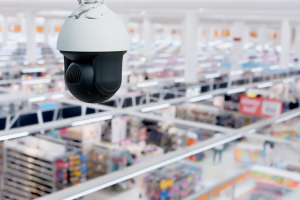 for reducing shoplifting, protecting employees, and preserving profit margins. Retail theft continues to rise across the U.S., putting pressure on loss prevention teams to implement smarter, more integrated security solutions.
For retail operators, the challenge is not just stopping theft—it’s creating a system that provides visibility, accountability, and real-time response without disrupting the customer experience.
In this guide, you’ll learn how modern retail security systems work, why they are essential for loss prevention, and how to implement a strategy that reduces shrinkage while improving overall store operations.
To understand how these technologies work together, explore our Integrated Security Systems solutions.
Key Highlights
- Why shoplifting continues to rise in retail environments
- How modern security systems go beyond basic cameras
- Best practices for reducing shrinkage and improving visibility
- Common mistakes retailers make with security deployments
- How integrated systems improve loss prevention outcomes
What Is a Retail Security System?
A retail security system is a combination of technologies designed to monitor, detect, and respond to theft and suspicious behavior within a store or across multiple locations.
These systems typically include:
- Video surveillance systems
- Access control for restricted areas
- Intrusion detection and alarms
- Analytics and reporting tools
Unlike standalone solutions, modern retail security systems are integrated, meaning they work together to provide a complete view of store activity.
This integration is essential for loss prevention teams managing multiple stores, high employee turnover, and evolving theft tactics.
Why Shoplifting Prevention Requires More Than Cameras
Many retailers still rely on basic camera systems, but this approach is no longer sufficient.
Shoplifting today is more organized, more frequent, and often involves coordinated groups. A reactive approach—reviewing footage after a theft—does little to prevent losses.
Modern crime prevention strategies focus on:
- Deterrence – Visible systems discourage theft
- Detection – Identifying suspicious behavior in real time
- Response – Alerting staff immediately
- Documentation – Capturing evidence for investigations
Without integration, these elements operate in silos, limiting effectiveness
Best Practices for Retail Crime Prevention
1. Optimize Camera Placement
Strategic camera placement is critical. Focus on:
- Entry and exit points
- Point-of-sale areas
- High-value merchandise zones
- Blind spots and corners
Avoid the common mistake of installing cameras without a coverage plan.
2. Use Analytics for Proactive Monitoring
Modern surveillance systems can identify:
- Loitering behavior
- Unusual movement patterns
- Repeated visits to high-risk areas
This allows staff to intervene before theft occurs.
3. Control Access to Sensitive Areas
Stockrooms, offices, and inventory areas should not be freely accessible.
Access control systems help:
- Limit employee access
- Track entry and exit activity
- Reduce internal theft
4. Integrate Systems for Full Visibility
The most effective retail environments use integrated security systems that combine:
- Surveillance
- Access control
- Alarm systems
This creates a centralized platform for monitoring and response.
5. Train Staff on Security Awareness
Technology alone is not enough. Employees should be trained to:
- Recognize suspicious behavior
- Follow escalation procedures
- Use security tools effectively
A well-trained staff acts as an extension of your security system.
Common Mistakes Retailers Make
Relying on Outdated Systems
Older systems lack analytics, integration, and remote access capabilities.
Poor System Design
Improper camera placement or lack of coverage leaves gaps that thieves exploit.
No Integration Between Systems
Disconnected systems prevent real-time response and limit visibility.
Reactive Instead of Proactive Approach
Reviewing footage after incidents does not prevent future theft.
Ignoring Multi-Location Management Needs
Retail chains need centralized monitoring across all stores—not isolated systems.
How Integrated Security Systems Reduce Shrinkage
Integrated systems provide a measurable impact on loss prevention by:
- Improving visibility across all store areas
- Enabling faster response to incidents
- Reducing internal theft through accountability
- Providing data for operational improvements
For multi-location retailers, centralized monitoring allows management teams to oversee performance and risk from a single platform.
This aligns directly with the goals of retail loss prevention professionals: reducing shrinkage while maintaining a positive customer experience.
Ready to Reduce Shoplifting and Improve Store Security?
Ready to reduce shoplifting and improve store security?
A properly designed retail security system can significantly reduce shrinkage while improving visibility and operational control.
Learn more about our Integrated Security Solutions
Retail theft is not just a security issue—it’s a business risk that affects profitability, employee safety, and customer experience. The most effective approach combines technology, strategy, and integration to create a proactive security environment.
Facility Protection Group specializes in designing and implementing retail security systems that align with your operational goals and loss prevention strategy.
To learn more or request a consultation, visit:
https://facprogroup.com/
or call 877-762-6460