
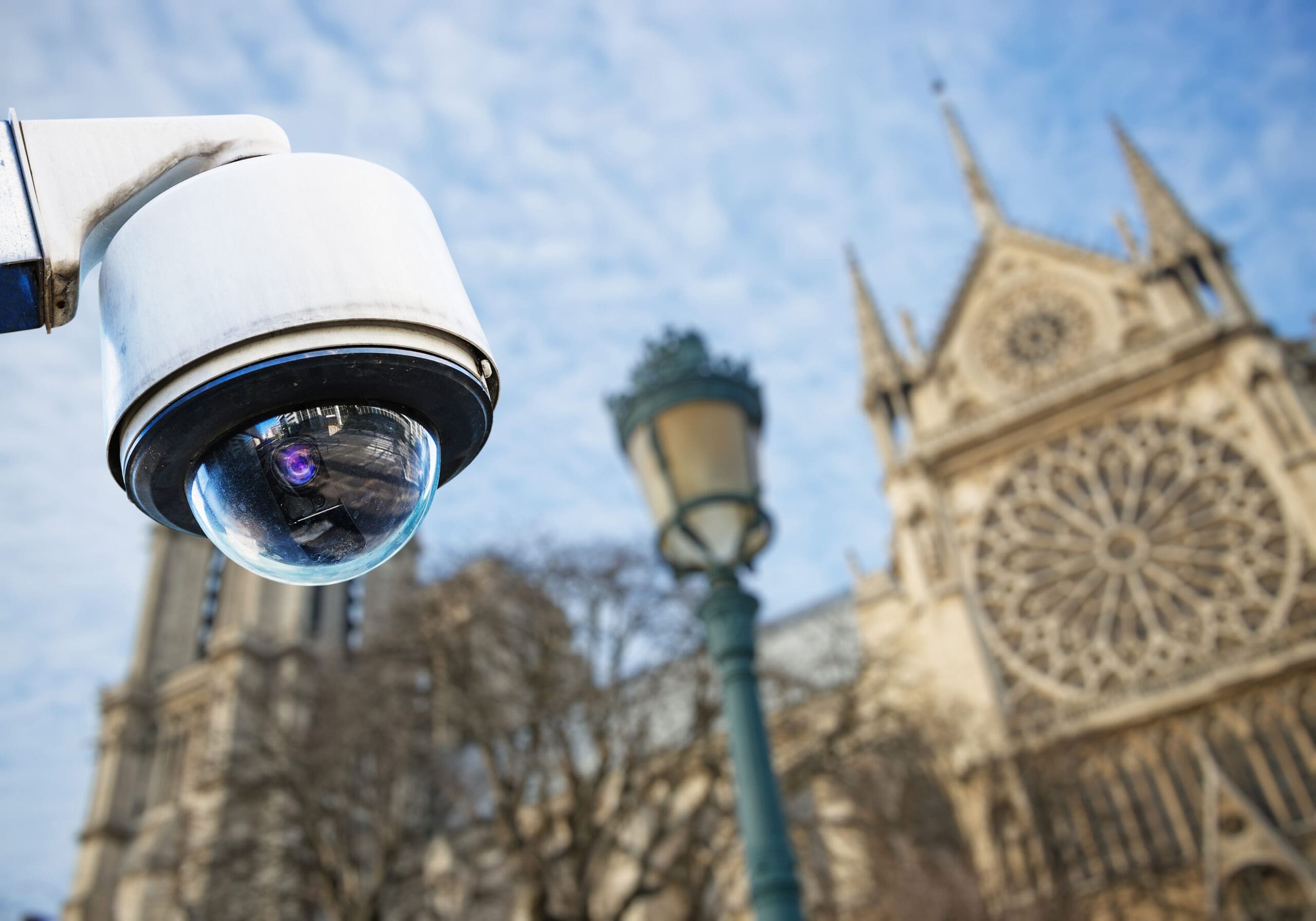
Church Security Systems: A Proven and Urgent Approach to Safer Houses of Worship

Dec 18, 2025 | Video Surveillance, Access Control, Integrated Security Systems

Church SecuritySystems

Faith-based organizations are built on openness, trust, and community—but today’s reality requires church leaders to balance those values with thoughtful, proactive security planning. As churches, synagogues, and other houses of worship welcome congregations of all sizes, they also face growing risks ranging from theft and vandalism to more serious safety threats during services and events.

Modern church security systems are no longer about creating barriers; they are about protecting people, preserving peace of mind, and ensuring that worship environments remain safe, welcoming, and prepared. 

Executive Summary

Churches and houses of worship face increasing security challenges while remaining open, welcoming spaces for their communities. This guide explains how modern church security systems—combining video surveillance, access control, intrusion detection, and emergency communications—work together to protect congregants, staff, and facilities without disrupting worship. It outlines common risks, best-practice security strategies, and the importance of a layered, integrated approach. Designed for church leaders and facility teams, this article helps faith-based organizations make informed, confident security decisions grounded in safety, stewardship, and peace of mind.

Planning a Security Upgrade for Your House of Worship?  Read How

What Church Security Systems Mean for Modern Houses of Worship

Church Security Systems encompass far more than cameras mounted on walls. Today’s Church Security Systems integrate video surveillance, access control, intrusion alarms, intercoms, and mobile management tools into a layered security strategy designed specifically for faithbased environments.

Modern houses of worship often include sanctuaries and fellowship halls, administrative offices and financial rooms, classrooms and nurseries, youth centers, libraries, counseling spaces, playgrounds, and open campuses with sporting facilities. Each space presents different visibility and access challenges.

The goal of Church Security Systems is to protect people first, protect property second, and preserve the ability to welcome guests without creating fear or disruption. Done correctly, security becomes an enabling layer that supports ministry, daily operations, and community outreach.

What Effective Church Security Systems Provide:

  • Clear visibility across buildings and campuses
  • Controlled access to sensitive or restricted areas
  • Faster response to emergencies and incidents
  • Protection that supportsnot disruptshospitality

Why Houses of Worship Are Facing New and Heightened Security Risks

Church Security Systems are increasingly critical because the risk landscape has changed. Highprofile acts of violence at public gathering spacesincluding houses of worshiphave shown how quickly a peaceful environment can become dangerous.

Many congregations host crowded services, concerts, holiday programs, and community events that attract visitors who are unknown to staff. Campuses may also remain open throughout the week for counseling, education programs, food pantries, and youth activities. That openness can be exploited.

Neutral, nonsponsored resources such as the National Institute of Justice provide helpful public information on situational crime prevention and the role of surveillance and layered security in reducing risk: https://nij.ojp.gov/

Understanding the Top Physical, Criminal, and Operational Threats

Church Security Systems must address a broad range of threats beyond traditional burglary concerns.

Physical and violent threats include active shooters or terrorism, arson and vandalism intended to cause fear or cover crimes, weaponized drones as an emerging threat for larger campuses, and domestic violence disputes spilling into sacred spaces.

Criminal and property risks include theft of electronics, audiovisual equipment, offerings, and highvalue materials such as copper or lead, burglary and criminal damage during offhours, and trespassing on open grounds.

Safety and operational risks include slips, trips, and falls (often the most frequent injuries), cyberattacks targeting online donations and databases, insider threats from disgruntled staff or volunteers, and natural disasters or health emergencies such as fires, severe weather, and medical incidents.

Church Security Systems respond best when leaders focus on layered security: physical protections (cameras, access control, lighting, door hardware) plus procedures (background checks, drills, visitor policies) plus training and maintenance.

Why Professional Church Security Systems Matter More Than Ever

Church Security Systems designed and installed by professional integrators ensure compliance with code, scalability, and longterm reliability. DIY systems often lack proper camera placement, redundancy, cybersecurity protections, and maintenance planning.

A professional integrator evaluates sightlines, lighting, entrance behavior patterns, and campus flow. They design coverage maps, choose the right camera types, implement access control at the correct doors, and ensure the intrusion system communicates reliably.

When Church Security Systems are professionally integrated, leadership teams reduce false alarms, improve evidence quality, and create a repeatable operational routine that staff and volunteers can follow.

Why Professional Integration Matters:

  • Correct camera placement and lighting analysis
  • Secure network configuration and cyber hygiene
  • Codecompliant access control hardware
  • Ongoing maintenance and warranty support

Trends Shaping Church Security Systems Today

Church Security Systems are increasingly mobileenabled, allowing administrators and security teams to monitor cameras, control doors, and receive alerts from smartphones and tablets.

Popular trends include cloudmanaged video platforms, AIassisted analytics for faster incident review, and touchless access control using mobile credentials. Many organizations also adopt better intercoms at controlled entry points to screen visitors while preserving hospitality.

Future expectations continue moving toward simplification and centralized management: fewer apps, fewer logins, and a unified interface that gives leadership one place to see cameras, doors, alarms, and reports.

How Video Surveillance, Access Control, and Alarms Work Together

Church Security Systems are most effective when video surveillance, access control, and intrusion alarms operate as a unified platform. Cameras verify alarms, access control limits unauthorized entry, and alerts guide faster response.

Integrated systems reduce false alarms because staff can visually verify a door event. Access control logs help identify who entered where and when. Video provides context during emergencies and supports investigations after incidents.

In practical terms, Church Security Systems create situational awareness: who is on campus, what doors are open, where an incident is occurring, and what response is appropriate.

Benefits of Integrated Church Security Systems:

  • Centralized monitoring
  • Faster incident verification
  • Reduced operational burden
  • Improved emergency coordination

Unique Security Challenges Houses of Worship Faceand How to Solve Them

Church Security Systems must balance openness with protection. The welcoming nature of faith communities makes security challenging, especially with limited budgets and volunteerheavy staffing.

Common challenges include multiple entry points during services, limited staff coverage, and open campuses that invite both community engagement and risk. Solutions include defining a primary public entrance, installing discreet surveillance at key areas, using access control on staffonly doors, improving lighting, and creating simple response procedures.

Behavioral threat assessment and emergency planning are essential. Leaders can implement drills for fire, medical, and security events, and establish communication pathways for volunteers and staff.

What Educational Institutions and FaithBased Campuses Are Asking For

Church Security Systems are being adopted by educational programs on faithbased campuses for simplification, convenience, safety, and accountability.

Institutions frequently request simplified access control for staff, secure entry workflows for parents and visitors, camera coverage for common areas, and mobile management for administrators. They also prioritize integrated lockdown and emergency response procedures.

These requests align with the broader trend toward unified platforms that reduce administrative burden while improving safety outcomes.

Why Trust Facility Protection Group as a Total Security Solution Provider

Facility Protection Group is a Certified Systems Integrator based in the Southeastern United States, specializing in Electronic Security Services such as Access Control, Video Surveillance/CCTV, Audio/Video Intercoms, and Intrusion Alarm Systems. Founded in 2018, the company has assembled a highly experienced team with a wealth of industry knowledge, ensuring that team members are trained, supervised, and equipped to deliver the best service possible.

FPG prides itself on its dedication to customers, focusing on building relationships and responsiveness. With team members having over 2030 years of security installation and repair experience, Facility Protection Group combines industry expertise and local knowledge to better serve its clients.

Church Security Systems are only as good as the design, installation, and longterm support behind them. FPG’s core competency of providing only electronic security services, its agility to operate as a local company, and its extensive experience make it a reliable choice for comprehensive security solutions.

A Clear and Confident Path Forward for Safer Worship Environments

Church Security Systems empower leaders to protect their congregations while focusing on ministry and mission. With professional design, integrated technology, and a practical layered strategy, churches can move forward with confidence.

Next steps often include a site assessment, defining priority risks, choosing a scalable platform, implementing a phased approach, and training staff and volunteers.

Security does not need to feel overwhelming. The right integrator turns complexity into a clear plan that supports hospitality and safety together.

A Practical Synopsis for Safer Worship

Church Security Systems work best when leaders combine technology with people and process. A professional integrator helps you prioritize risks, design coverage that matches your campus, install to code, and maintain the system so it works when it matters.

At a high level, the most important elements to carry forward are: layered security, integrated systems (video, access control, alarms), mobilefriendly management, realistic procedures for volunteers, and ongoing maintenance and support.

Most important elements to carry forward:

  • Layer security with technology plus procedures and training
  • Integrate video, access control, alarms, and intercoms where possible
  • Use mobile access to simplify daytoday operations and response
  • Address common worshipspecific challenges while preserving hospitality
  • Partner with a professional integrator for design, code compliance, and ongoing support

Connect With Facility Protection Group

  • Website – https://facprogroup.com/
  • Free Consultation Contact –  https://facprogroup.com/contact-us/#
  • Phone (877) 7626460
  • Request Service – https://facprogroup.com/contact-us/#

Facility Protection GroupElectronic Security ServicesFloridaState Certified #EF0001201
Serving the Southeastern U.S.: FL, AL, GA, TN, NC, SC

Related Content

How to Get a Security Grant for Churches or Faith-Based Facility

How to Get a Security Grant for Churches or Faith-Based Facility

A security grant for churches can make a crucial difference in protecting faith-based facilities across the country. As safety concerns grow, many religious organizations are seeking financial assistance to strengthen their security infrastructure.

From small community churches to large synagogues and mosques, leaders are recognizing the importance of improving access control, surveillance, and emergency communication systems to protect their members and property.

Explore the Latest Security Insights

Search our collection of articles covering access control, video surveillance, intrusion detection, and communication systems.
Use the filters below to browse by service or industry and find the tips and trends most relevant to your facility.

Stay Informed — Straight to Your Inbox

Get quick insights on access control, video surveillance, intrusion detection, and more. Join our newsletter to receive the latest security trends and expert tips every month.

Subscribe Now

About Facility Protection Group

We help organizations design and integrate smarter security solutions across video surveillance, access control, intrusion, and communications.

Learn more →