
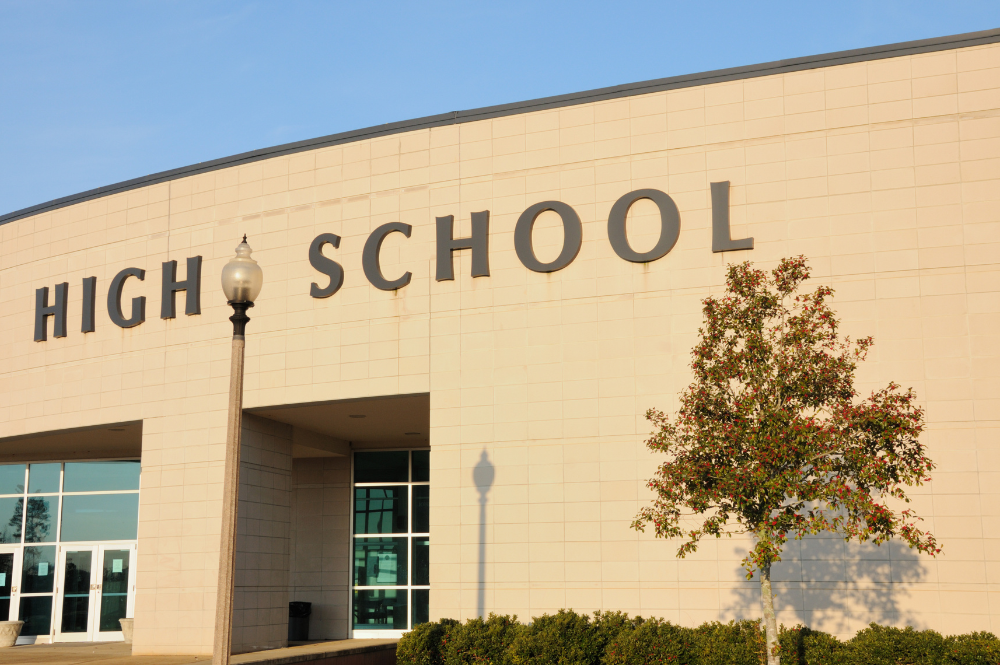
Planning a security upgrade for your education facility is no longer a reactive exercise—it is a strategic initiative that directly impacts student safety, staff confidence, operational continuity, and public trust. From K–12 schools to higher education campuses, administrators and facilities leaders are increasingly expected to demonstrate that physical security systems are modern, coordinated, and aligned with real-world risks.
In many cases, security upgrades are triggered by aging infrastructure, operational inefficiencies, or heightened scrutiny from boards, parents, and regulators. Unlike exploratory discussions about security concepts, planning an upgrade requires institutions to move decisively from evaluation to execution. This means defining objectives, aligning stakeholders, selecting appropriate technologies, and choosing partners capable of delivering long-term results. This guide outlines the practical steps and strategic considerations education leaders should follow when planning a security upgrade that is both effective and sustainable.
Step 1: Define Clear Security Objectives Before Selecting Technology
Every successful security upgrade begins with clarity. Educational facilities vary widely in size, layout, student population, and daily operations, so security objectives must be defined before any systems are evaluated or replaced.
Common objectives when planning a security upgrade for your education facility include improving control over building entry points, increasing visibility across campus during school hours and events, strengthening after-hours protection, enhancing emergency response coordination, and reducing reliance on unmanaged keys and legacy systems.
Defining objectives early helps institutions avoid technology-first decisions driven by vendor features rather than actual needs. It also creates alignment among administrators, facilities teams, IT staff, and external partners—ensuring that everyone understands what the upgrade is intended to achieve and how success will be measured
Planning Insight:
Clearly defined security objectives prevent reactive purchases and help ensure that investments support
long-term campus safety rather than short-term fixes
Step 2: Conduct a Campus-Wide Security Assessment
A comprehensive security assessment provides the foundation for informed planning. This step evaluates how your facility currently operates, where vulnerabilities exist, and how existing systems perform in real-world conditions. Assessments typically review building layouts, traffic flow, entry and exit points, existing access control and surveillance systems, after-hours use, and operational procedures.
Many institutions begin this phase by engaging professional electronic security services for schools and campuses, which allows leaders to identify gaps, prioritize improvements, and document findings that support internal approvals, grant applications, and budget discussions. Most importantly, assessments replace assumptions with data-driven insight.
Step 3: Evaluate Access Control and Entry Management
Access control is a cornerstone of most education security upgrades. Modern systems replace unmanaged keys with electronic credentials, enabling administrators to define who can access specific areas, when access is permitted, and how credentials are managed over time.
When evaluating access control upgrades, education leaders should consider how systems support daily operations, visitor management, and emergency procedures. Scalability is especially important for districts or campuses with multiple buildings, temporary staff, or frequent schedule changes.
Well-designed access control systems also improve accountability. Audit trails showing when doors were accessed and by whom can support investigations, policy enforcement, and continuous improvement of security procedures
Step 4: Modernize Video Surveillance for Visibility and Accountability
Video surveillance systems play an increasingly important role in education security planning. Beyond deterrence, modern camera systems provide real-time awareness and reliable documentation when incidents occur.
Strategic upgrades typically focus on primary entrances, common areas, exterior spaces, and high-traffic corridors. The goal is not blanket coverage, but meaningful visibility where it matters most.
When integrated with access control and intrusion detection, video surveillance strengthens situational awareness and accelerates response. Many education leaders align surveillance planning with guidance from national school safety and emergency management resources to ensure systems balance safety, privacy, and accountability.
Operational Benefit:
Integrated video surveillance provides objective, time-stamped information that supports faster decision-making and clearer communication during and after incidents.
Step 5: Strengthen After-Hours Protection and Intrusion Detection
Security risks do not disappear when the school day ends. In fact, many incidents occur during evenings, weekends, and academic breaks when facilities are lightly staffed or unoccupied.
Intrusion detection systems protect educational facilities during these low-occupancy periods by monitoring doors, windows, and interior zones for unauthorized activity. Zoned detection allows specific areas to remain active for approved use while others are secured, reducing false alarms and improving response efficiency.
When paired with clear escalation procedures or professional monitoring, intrusion detection plays a critical role in protecting assets and minimizing damage.
Step 6: Integrate Systems for Coordinated Campus Response
As educational facilities expand or modernize over time, system integration becomes a critical planning consideration. Disconnected technologies can create blind spots, duplicate administrative effort, and slow response during incidents.
Integrated platforms allow access control, video surveillance, intrusion detection, and intercom systems to share relevant information. This unified view helps administrators and security teams understand what is happening across campus in real time, rather than piecing together data from multiple systems under pressure.
Strategic Consideration:
System integration transforms individual upgrades into a cohesive campus security strategy that is easier to manage and more effective during critical events.
Step 7: Select the Right Integration Partner
Choosing the right integration partner is one of the most consequential decisions in a security upgrade project. Education-focused integrators understand compliance requirements, campus operations, and the importance of minimizing disruption during installation.
The right partner helps translate objectives into practical designs, recommends scalable solutions, coordinates implementation around academic schedules, and provides long-term support. This relationship often determines whether a security upgrade delivers sustained value or becomes a series of disconnected projects over time.
From Planning to Execution: Building an Actionable Roadmap
Once objectives are defined and systems evaluated, the final step is developing a clear implementation roadmap. This includes budgeting, phasing upgrades over time, coordinating with internal stakeholders, and planning training and support.
Engaging an experienced education security integrator early helps ensure that planning efforts translate into measurable improvements in safety, accountability, and operational confidence. A clear roadmap also supports transparent communication with boards, parents, and community stakeholders.
Closing Summary
Planning a security upgrade for your education facility requires more than replacing aging equipment. It demands a structured approach that balances strategy, technology, and execution. By defining clear objectives, conducting thorough assessments, modernizing core systems, and prioritizing integration, education leaders can implement upgrades that enhance safety while supporting the daily rhythm of campus life.
With thoughtful planning and professional support, security upgrades become a long-term asset—strengthening trust, resilience, and institutional confidence for years to come.
Facility Protection Group (FPG)
- Website – https://facprogroup.com/
- Free Consultation Contact – https://facprogroup.com/contact-us/#
- Phone –
(877) 762 – 6460 - Electronic Security Services Florida State Certified #EF0001201 Serving FL, AL, GA, TN, NC, SC