UL 2050 Security Systems & Integration
Specialized intrusion detection, certification, monitoring coordination, and lifecycle support for government, defense, and high-security facilities.
UL 2050 Security Systems — Chattanooga, TN
Facility Protection Group designs, installs, and supports UL 2050 security systems through its Chattanooga, Tennessee operation. That office holds a documented UL listing in the National Industrial Security Systems category, which covers alarm service companies qualified to install, service, and certificate intrusion detection systems built to UL 2050 requirements.
For facility security officers and program managers, the listing answers a basic qualification question early in a project. It shows that the office working on your system is evaluated by UL against this specialized standard, rather than general commercial alarm practice.
- Listing Category
- National Industrial Security Systems
- Category Code
- CRZH
- UL File Number
- UL File BP21721
- Listed Office
- Chattanooga, Tennessee
Current listing certificate valid through December 31, 2026. The listing covers FPG's Chattanooga operation. UL 2050 certificates are issued separately for each qualifying system following its design, installation, and compliance review.
What Is UL 2050 and Why Does It Matter?
UL 2050 is the Standard for National Industrial Security Systems. According to UL Solutions, it was developed in collaboration with U.S. federal security agencies. It defines the alarm protection, or intrusion detection, needed to work alongside other security measures when defense contractors hold sensitive material.
The standard covers more than equipment. It addresses how a system is installed, how alarm signals travel to a monitoring station, how alarms are investigated, and how the system is serviced over time. Distribution of the standard itself is controlled, which reflects the sensitivity of the facilities it protects.
UL 2050 matters because of how federal security requirements are written. The National Industrial Security Program Operating Manual, now a federal rule at 32 CFR Part 117, calls for intrusion detection systems to be installed by an entity approved by a nationally recognized testing laboratory or approved in writing by the cognizant security agency. The Defense Counterintelligence and Security Agency (DCSA) provides guidance on these requirements for cleared contractors. In practice, UL 2050 certification is a common way to document that a system meets them.
Because every facility's obligations come from its own contracts and its security agency, the right design starts with a clear reading of those requirements. A properly designed and documented system makes inspections smoother and supports facility accreditation.
Commercial Intrusion Alarms vs. UL 2050 Security Systems
| Consideration | Typical Commercial Intrusion System | UL 2050 Security System |
|---|---|---|
| Primary purpose | Protect property and deter break-ins | Protect classified or sensitive material under government security requirements |
| Governing requirements | Owner, insurer, and local code preferences | UL 2050, contract security requirements, and the cognizant security agency |
| Installer qualification | Licensed alarm contractor | UL-listed CRZH alarm service company or other approved entity |
| Monitoring | Commercial central station | Monitoring arrangement defined by the contract and the standard |
| Documentation | Installation and service records | Certificate for each qualifying system, plus inspection, testing, and service records |
UL 2050 Intrusion Detection & Security Capabilities
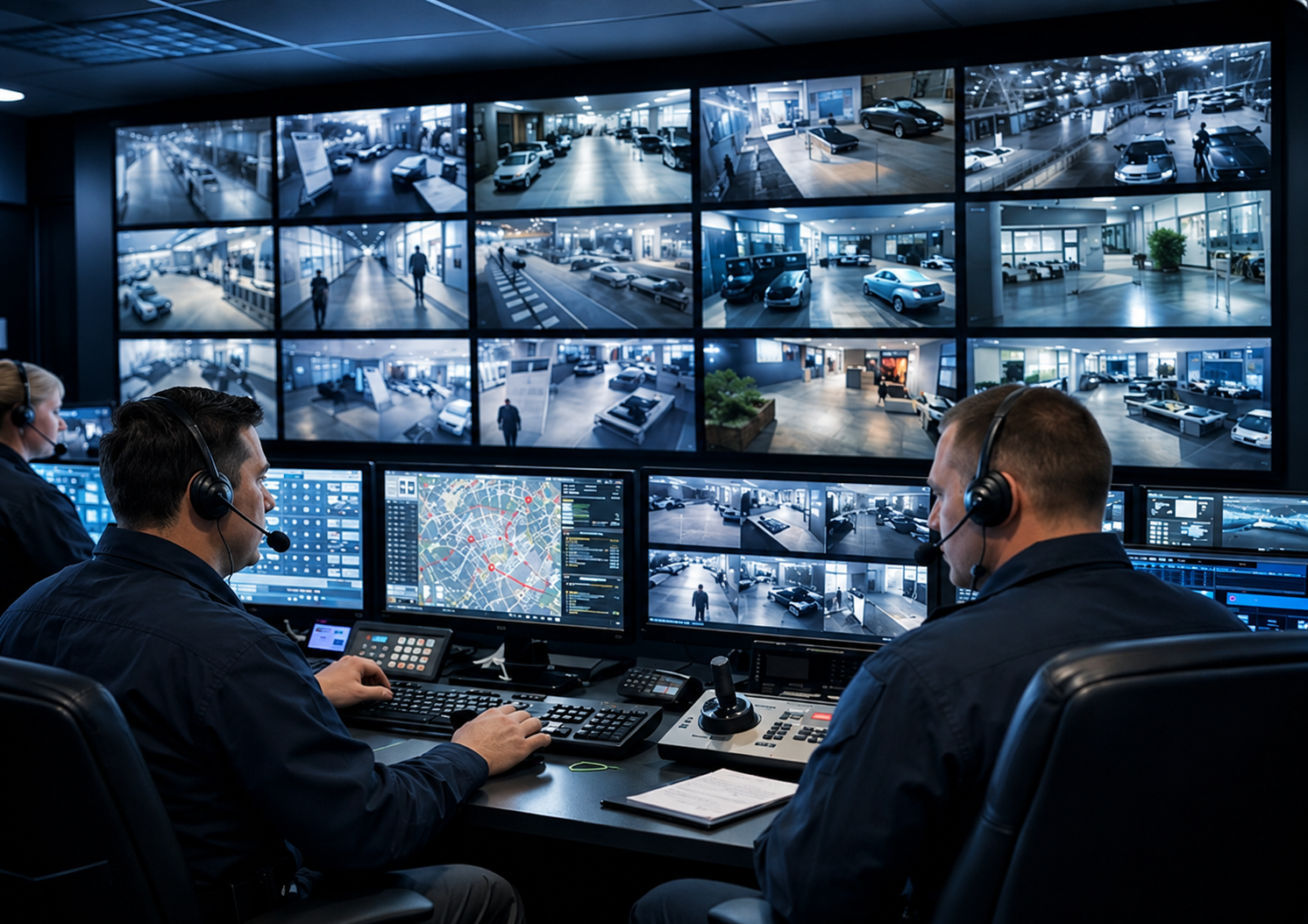
From specialized system engineering through certification documentation and ongoing service, Facility Protection Group supports the full UL 2050 project lifecycle. These systems often operate within a broader security environment, as outlined in our guide to integrated security systems.
Security System Design & Installation
We engineer intrusion detection around each protected area's construction, access points, and contract requirements, then install the system to that design.
Certification & Documentation
Our listed Chattanooga operation manages certification-related processes for qualifying systems and keeps every record organized and accessible for inspections, audits, and security reviews.
Alarm Monitoring & Response Coordination
We configure alarm transmission and coordinate closely with the monitoring station designated for your project, aligning alarm investigation and response with your contract requirements.
Inspection, Testing & Maintenance
Our technicians keep certificated systems performing and compliant over time, updating equipment, programming, and records as your facility or its requirements change.
Security Systems for Government & Defense Facilities
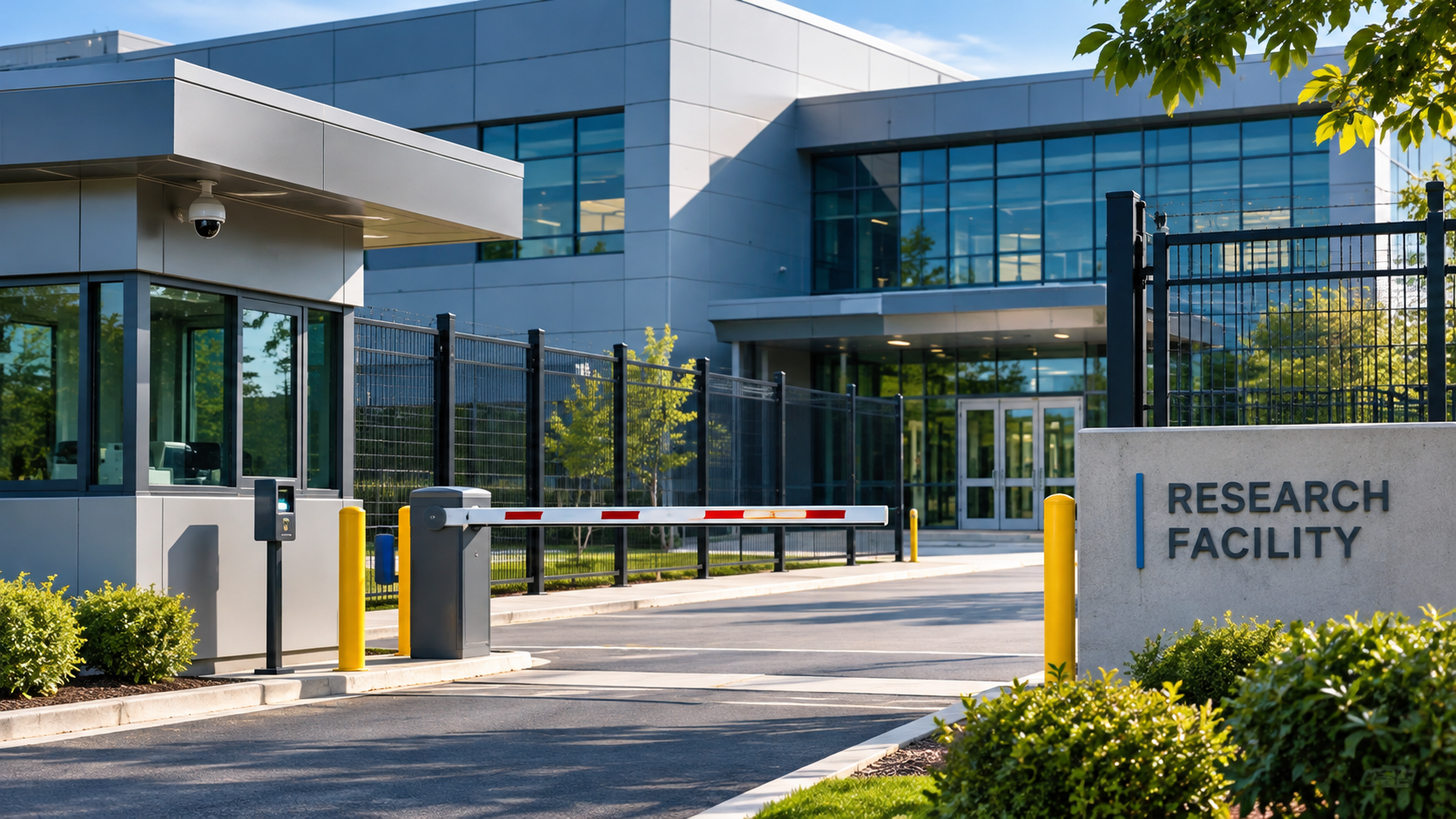
UL 2050 work serves organizations whose contracts or security agencies call for specialized intrusion detection. Typical environments include:
- Defense contractors
- Government-related facilities
- Sensitive industrial environments
- Secure research and development facilities
- Organizations with specialized intrusion detection requirements
These buyers face security reviews, contract deadlines, and little room for error. They need a partner who engineers carefully, documents thoroughly, and stays available after installation.
Not every government building, secure space, or defense facility requires UL 2050. Requirements depend on the material being protected, the contract, and the cognizant security agency. FPG starts by confirming what applies, then designs to that need.
Our UL 2050 Project Delivery Process
Every UL 2050 project follows a disciplined workflow. Each stage produces the information the next one depends on.
Requirements & Facility Review
We confirm the protected area, contract requirements, and security agency expectations with your facility security officer.
Engineering & Design
We engineer detection coverage, equipment, and signal paths to meet the confirmed requirements.
Installation & Integration
Our technicians install the system and integrate it with monitoring and related facility systems.
Testing & Documentation
We test performance, assemble records, and complete certification-related processes for qualifying systems.
Inspection & Ongoing Support
Scheduled inspection, testing, and service keep the system performing and its records current.
UL 2050 Security Services from Chattanooga, TN
Our Chattanooga office is the operational center for FPG's UL 2050 security systems work. The UL listing is tied to this specific location, so UL 2050 projects are scoped, managed, and supported from here.
That matters for buyers. The listed office is the one accountable for the system's design, certification-related processes, and ongoing service. Working directly with that team keeps responsibility clear across the life of the system.
FPG also provides commercial intrusion detection and central station monitoring for facilities that do not need UL 2050. If you are unsure which applies, we can help you sort it out.
Chattanooga, TN 37415
- Phone
- (877) 762-6460
- License
- TN License #2547
- UL Listing
- CRZH · File BP21721
Frequently Asked Questions About UL 2050
What is UL 2050, and which facilities require it?
UL 2050 is the Standard for National Industrial Security Systems. It sets requirements for intrusion detection that protects classified or sensitive material, most often at cleared defense contractors. Whether a facility needs it depends on its contracts and its cognizant security agency, not on the building type alone.
What is the difference between UL 2050 and a standard commercial intrusion alarm system?
A commercial system protects property based on owner and insurer preferences. A UL 2050 system follows a specialized standard covering installation, monitoring, alarm investigation, and service. It is installed by a qualified entity and documented with a system-specific certificate.
What does a UL 2050-listed security integrator provide?
A listed integrator designs, installs, and services intrusion detection systems to UL 2050 requirements and manages certification-related processes for qualifying systems. FPG's Chattanooga office also coordinates monitoring arrangements and provides ongoing inspection, testing, and maintenance.
How are UL 2050 security systems certified?
UL 2050 certificates are issued for qualifying individual systems, not for an installer's work in general. After design, installation, and testing, the listed alarm service company completes the certificate process through UL for that specific system. The system must then be inspected and maintained to remain in compliance.
Does UL 2050 require specific monitoring and response arrangements?
Yes. Alarm signals must reach an appropriate monitoring station, and alarms must be investigated according to the standard and the contract. Monitoring may be provided by a UL-listed national industrial monitoring station (CRZM) or a government contractor monitoring station, as the contract specifies. FPG coordinates this arrangement for each project.
Can FPG support UL 2050 projects outside Chattanooga?
FPG's UL 2050 work is managed through its listed Chattanooga operation. Project eligibility and service coverage are evaluated individually. Contact our team with your facility location and requirements, and we will confirm how we can support your project.
Discuss Your UL 2050 Security Requirements
Planning a high-security facility project or evaluating an existing intrusion detection system? Connect with Facility Protection Group's Chattanooga team to discuss your requirements and next steps.
Request a UL 2050 Consultation