
Engineered Integration. Operational Confidence.
Integrated Security Solutions for Commercial Facilities

Our Integration Methodology
Integrated security is not achieved by connecting devices. It is engineered through deliberate system design, structured implementation, and coordinated operational planning.
At Facility Protection Group, integration begins with infrastructure analysis — not product selection. We evaluate how your facility operates, how personnel move through space, where high-value assets are located, and how events should trigger coordinated response across systems.
From there, we develop a unified design that:
• Aligns access control, video surveillance, and intrusion detection under shared operational logic
• Establishes defined escalation pathways for incident response
• Supports centralized monitoring and consolidated reporting
• Integrates with existing IT and network infrastructure
• Allows for scalable expansion across additional buildings or locations
Integration is not a feature. It is a disciplined design process that ensures your systems operate predictably under real-world conditions.
What Integration Delivers in Practice
Integrated security should not increase system complexity — it should reduce operational friction.
When systems are engineered to operate as a coordinated environment, security events become structured workflows rather than isolated alerts. Access activity, video verification, intrusion detection, and communications operate under shared logic instead of separate platforms.
In practical terms, this means:
• Faster event verification through synchronized video and access activity
• Reduced manual investigation time during incidents
• Coordinated escalation procedures across departments
• Centralized reporting for leadership visibility
• Simplified compliance documentation and audit preparation
Rather than managing disconnected tools, your team operates within a unified framework designed for clarity and control.
Operational Advantages for Multi-Site Organizations
For organizations managing multiple facilities, integration creates standardization across locations.
We design systems that support:
• Consistent hardware standards
• Centralized monitoring across regions
• Uniform reporting structures
• Scalable deployment models
• Controlled expansion without architectural rework
Integration ensures that as your organization grows, your infrastructure grows with it — predictably and efficiently.
Core Security Systems We Integrate
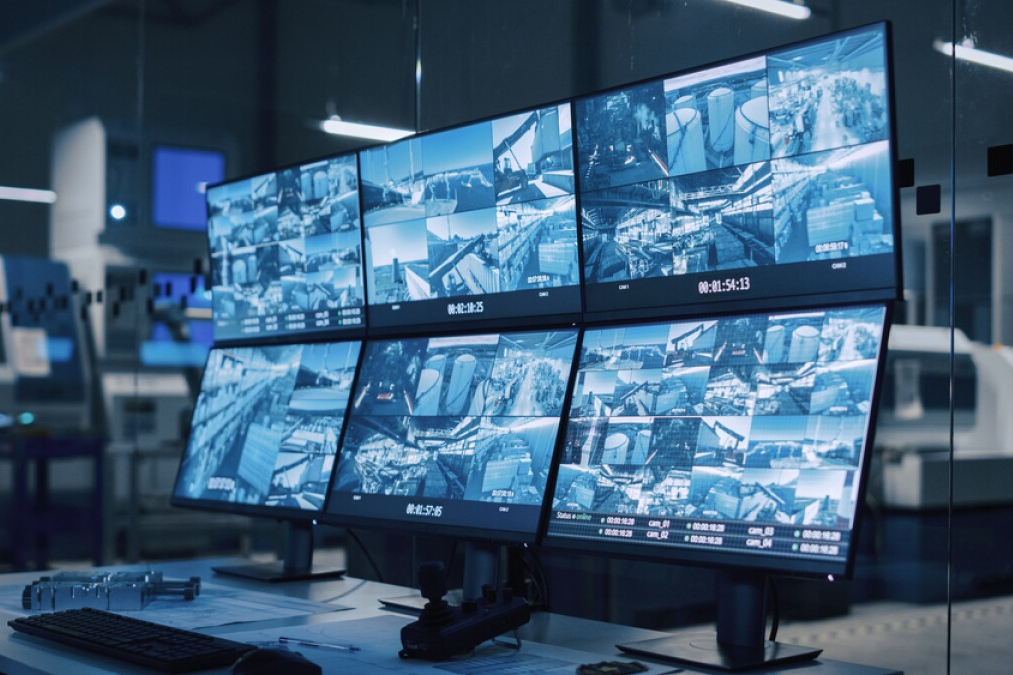
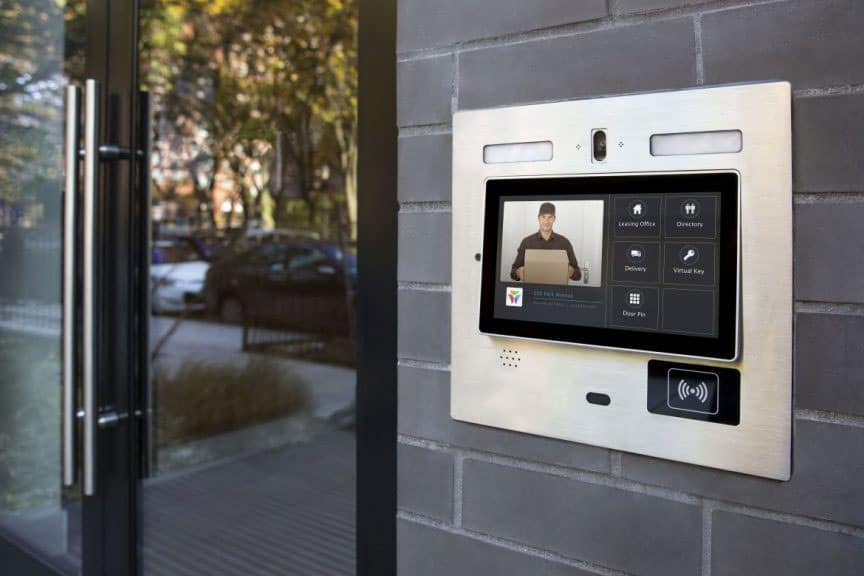
Each integrated deployment is built on the coordination of core security subsystems designed to function as a unified operational environment.


Why Organizations Choose Facility Protection Group for Integrated Security
Integrated security projects fail when they are approached as equipment installations rather than infrastructure design. At Facility Protection Group, integration is treated as a coordinated engineering discipline — not a collection of disconnected devices.
Our approach is built around structured planning, disciplined execution, and long-term operational support.
Engineering-First Design
Every integrated deployment begins with system mapping and infrastructure planning. We evaluate facility layout, operational workflows, risk zones, and IT architecture before recommending hardware or platforms.
This ensures that subsystems function predictably under real-world conditions — not just in isolated demonstrations.

Vendor-Neutral System Architecture
We design around performance and compatibility rather than brand preference. This allows us to select technologies that integrate cleanly, scale responsibly, and align with your operational requirements.
Our focus is long-term reliability — not short-term product cycles.
Coordinated Multi-System Deployment
Integrated projects require precise sequencing. Access control, video, intrusion detection, and communications must be deployed with coordinated configuration to ensure proper event interaction.
Our project management structure ensures that integration logic is implemented correctly from day one.
IT Collaboration and Cybersecurity Alignment
Modern security systems operate on network infrastructure. We collaborate with internal IT teams to align security architecture with network standards, cybersecurity policies, and data governance requirements.
This reduces friction and protects system integrity.
Lifecycle Support and Program Management
Integration does not end at installation. We provide structured service support, documentation, and program management to maintain performance across expansions, upgrades, and multi-site deployments.
Our role extends beyond installation — we remain a long-term integration partner.
Ready to Evaluate Your Integration Strategy?
Discuss your facility requirements with our integration team and receive a structured assessment aligned with your operational goals.
Integrated Security Across Diverse Commercial Environments
Integrated security design must align with the operational realities of each facility type. Risk profiles, occupancy patterns, compliance requirements, and infrastructure complexity vary significantly across industries.
Facility Protection Group engineers integrated systems tailored to environments such as:
Corporate and Multi-Tenant Offices
Access segmentation, visitor management coordination, centralized monitoring, and after-hours activity control across shared spaces.
Manufacturing and Industrial Facilities
Perimeter protection, asset zone control, coordinated intrusion detection, and integration with safety and operational systems.
Healthcare and Medical Facilities
Credential management, restricted area monitoring, compliance-aligned reporting, and rapid incident verification.
Educational Institutions
Layered access control, integrated video verification, and emergency communication coordination across campuses.
Houses of Worship and Community Facilities
Structured access management, integrated surveillance, and coordinated emergency response planning.
Multi-Site Portfolios and Enterprise Operations
Standardized system architecture, centralized reporting, and coordinated deployment across regional or national footprints.
What to Expect from an Integrated Security Engagement
Integrated security projects require coordination, clarity, and disciplined execution. Our engagement process is structured to minimize disruption, ensure interoperability, and deliver predictable performance across your facility or portfolio.
- Initial Consultation and Facility Assessment
We begin by evaluating your operational requirements, risk profile, existing infrastructure, and compliance considerations. This discovery phase defines objectives, integration scope, and measurable performance criteria before any design work begins. - System Architecture and Integration Planning
Our engineering team develops a structured system architecture that aligns access control, video surveillance, intrusion detection, and communications within a unified framework. Infrastructure, network considerations, and event sequencing are defined in advance to prevent downstream friction. - Coordinated Implementation
Deployment is executed in disciplined phases to ensure proper subsystem configuration and interaction. Access control, video, intrusion, and communication platforms are installed and integrated with attention to event logic, data flow, and operational continuity. - Testing, Validation, and Optimization
Before turnover, we validate subsystem interoperability, network performance, and response workflows under real-world conditions. Adjustments are made to ensure the system performs as designed — not just in theory, but in daily operation. - Ongoing Support and Lifecycle Management
Integration does not end at installation. We provide documentation, structured support, and program management to maintain performance across expansions, upgrades, and multi-site deployments. Our role extends beyond implementation — we remain a long-term integration partner.
Build a Coordinated Security Infrastructure That Performs
Integrated security is not simply about connecting systems — it is about ensuring they function predictably under real-world conditions.
Whether you are planning a new facility, consolidating legacy systems, or standardizing security across multiple locations, a structured integration strategy reduces operational friction and improves long-term reliability.
Facility Protection Group works with commercial organizations to design coordinated environments that align with operational goals, infrastructure standards, and growth plans.
If your team is evaluating next steps, we are prepared to provide a structured assessment and integration roadmap.
Featured Integrated Security Systems Projects


Frequently Asked Questions About Integrated Security Systems
What is an integrated security system?
An integrated security system is a unified platform that connects multiple security technologies—such as access control, video surveillance, intrusion detection, and communications—into one centralized solution. By linking these systems together, organizations gain improved efficiency, situational awareness, and streamlined operations.
What are the benefits of an integrated security system?
The main benefits include faster response times during incidents, improved situational awareness, scalability to match facility growth, and reduced operational costs by minimizing manual oversight. Organizations also benefit from a single point of management rather than juggling multiple disconnected systems.
What types of security systems can be integrated?
Commonly integrated systems include access control, video surveillance, intrusion detection, fire and life safety systems, intercoms, IT infrastructure, and cybersecurity platforms. These technologies work together seamlessly to create a layered and unified defense.
Who should use integrated security systems?
Integrated systems are ideal for facilities that require high levels of protection or that manage multiple security components. This includes schools, hospitals, government facilities, industrial plants, commercial buildings, multi-family housing, and retail environments.
Can integrated security systems be cloud-based?
Yes. Integrated systems can be deployed on-premises, in the cloud, or as a hybrid setup. Cloud-based solutions provide scalability, remote access, and easier updates, making them an attractive option for organizations that need flexibility and simplified management.